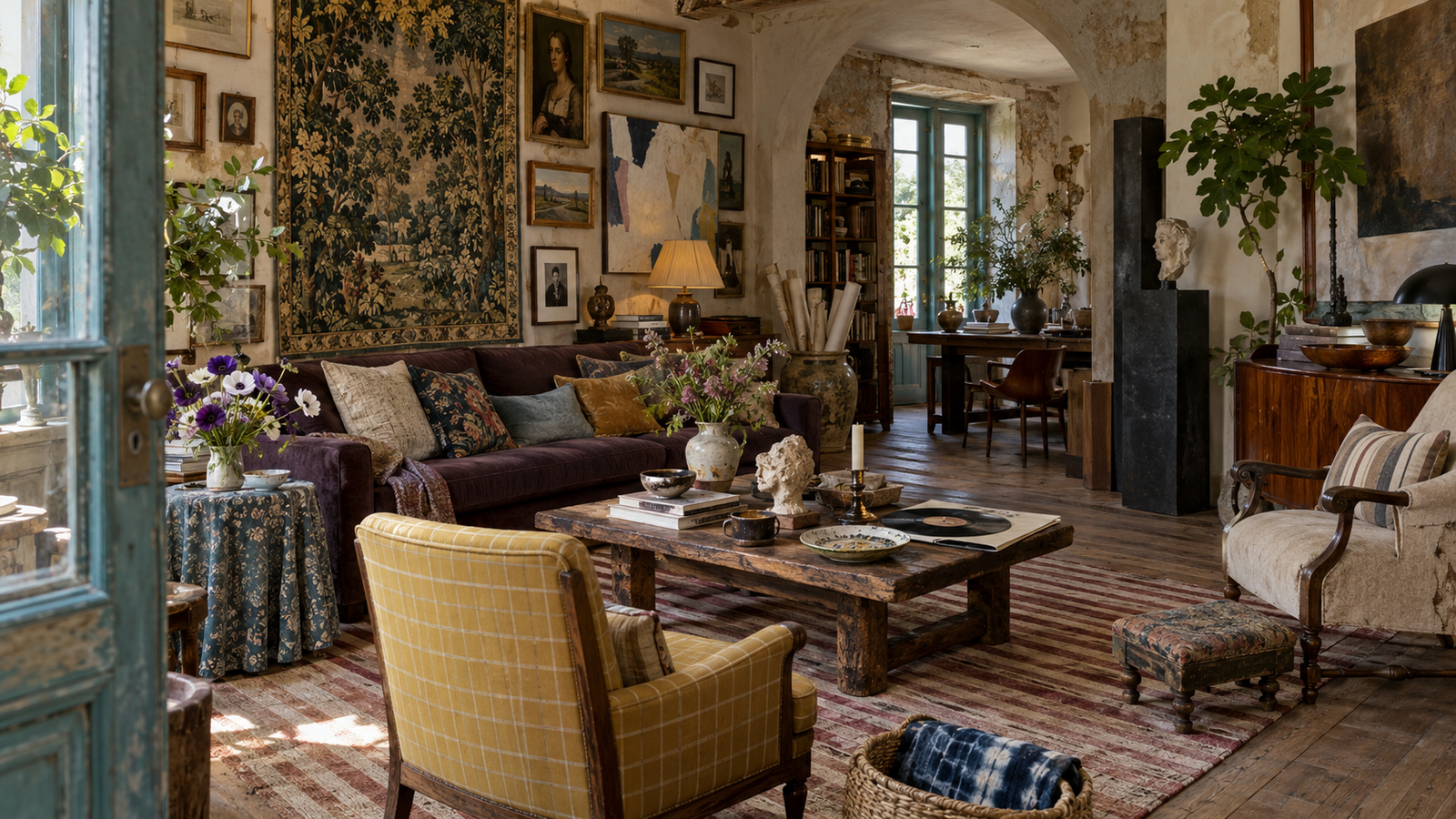
IInterior design in 2027 is beginning to feel noticeably different.
For several years, beautiful homes were often associated with pale neutrals, minimal styling, light woods and spaces that looked almost untouched. But the interior design trends emerging for 2027 point toward something warmer, richer and considerably more personal.
Dark woods are returning. Colors are becoming earthier and more expressive. Furniture is taking on stronger, more sculptural shapes. Handmade pieces, heritage details, artistic lighting and beautifully imperfect finishes are bringing character back into our rooms.
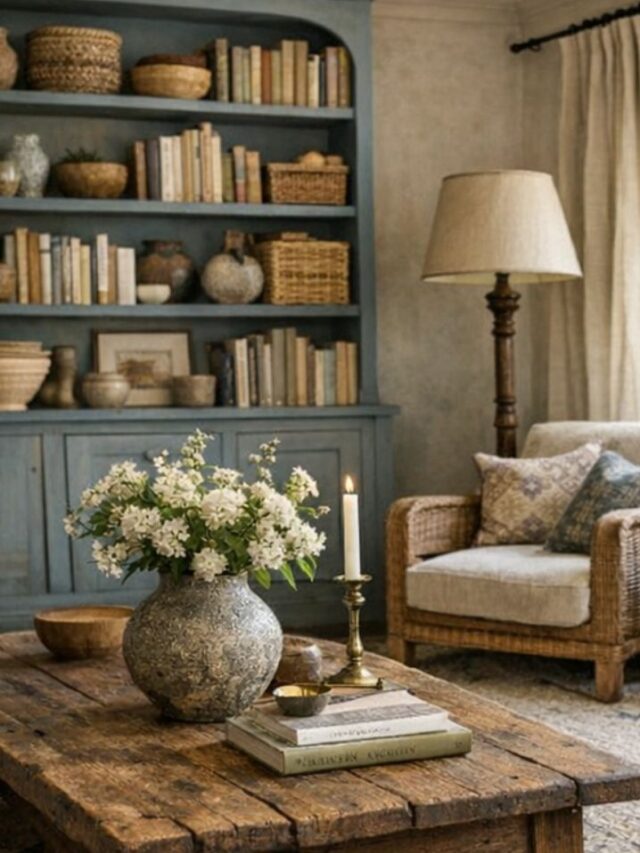
Early forecasts reinforce this shift. Sherwin-Williams’s 2027 forecast, for example, moves through heritage, expressive color and nature-inspired palettes, while designers interviewed by major design publications are similarly talking about comfort, individuality and emotional connection.
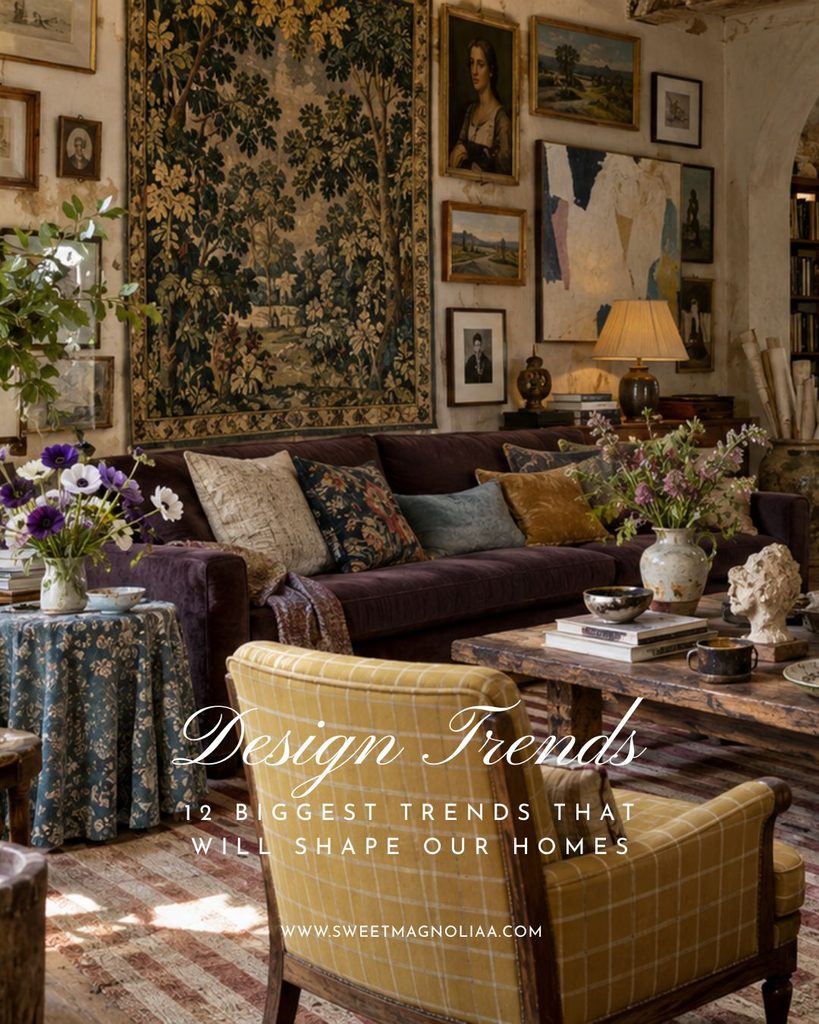
But what makes these changes especially interesting is that they don’t feel like twelve completely separate decorating trends.
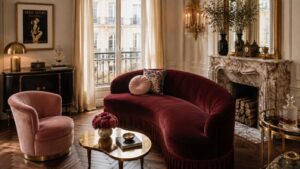
Together, they tell a much bigger story.
We seem to be moving away from homes designed around perfection and toward homes designed around personality—rooms that feel collected rather than coordinated, comfortable rather than untouchable, and shaped gradually by the people who actually live in them.
The home of 2027 isn’t asking us to start again.
It’s giving us permission to layer, collect, keep what we love and let our homes become more individual over time.
What’s Driving Interior Design Trends in 2027?
The most interesting interior design trends 2027 are less about following a single decorating style and more about creating homes with warmth, character and individuality. After years of highly polished neutral interiors, rooms are beginning to feel richer, more tactile and more personal.
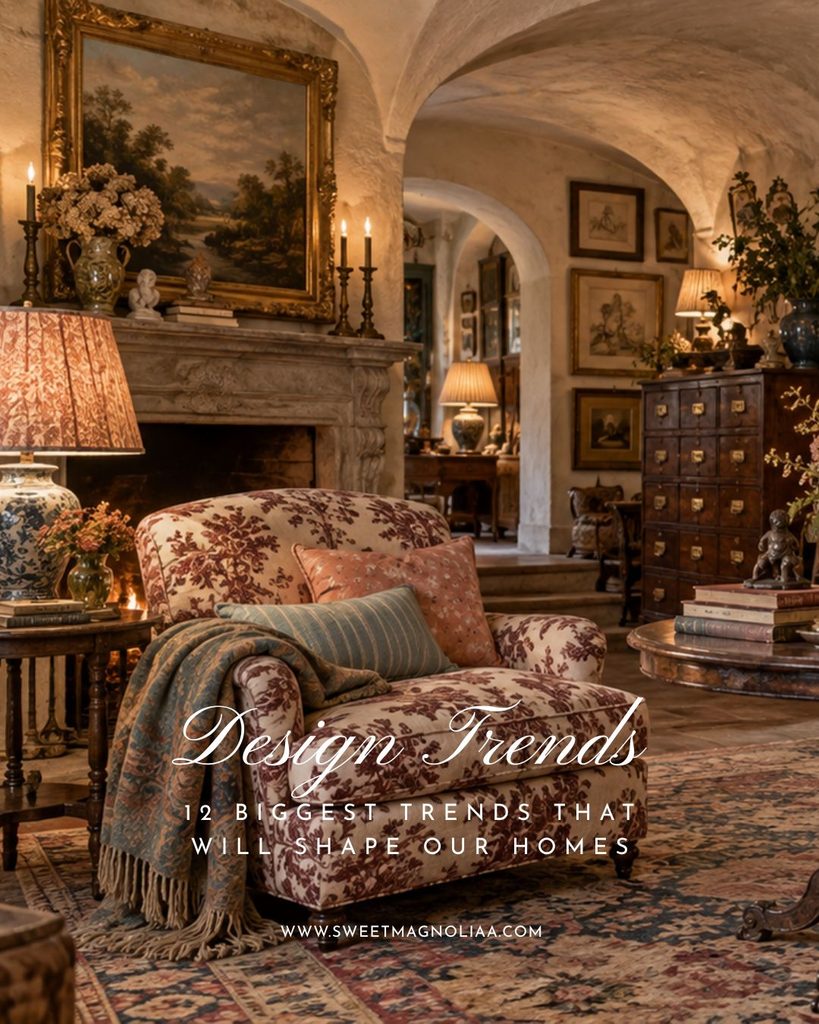
Across the biggest 2027 interior design trends, we’re seeing deeper wood tones, earthy colors, expressive lighting, handcrafted finishes and furniture with stronger silhouettes. Vintage and heritage-inspired details are also being layered into contemporary homes, creating spaces that feel collected rather than designed all at once.
What makes these interior design trends 2027 especially appealing is that they don’t require a complete redesign. A dark wood table, an earthy wall color, an antique piece, a sculptural lamp or a beautifully handmade object can introduce the new direction while allowing your home to evolve naturally.
Ultimately, the biggest interior design trends for 2027 point toward the same idea: homes are becoming more individual, more layered and more reflective of the people who live in them.
Here are 12 interior design trends to watch for 2027.
1. Earthy Greens Become the New Neutral
Green has been part of interiors for years, but in 2027 it is moving into earthier territory.
Think:
- moss
- olive
- celery
- lichen
- brown-green
- muted botanical shades
Sherwin-Williams selected the soft yellow-green Celery as its 2027 Color of the Year, while Behr chose Grounded, a brown-leaning olive. Together, these early announcements suggest that green is becoming warmer, muddier and easier to live with.
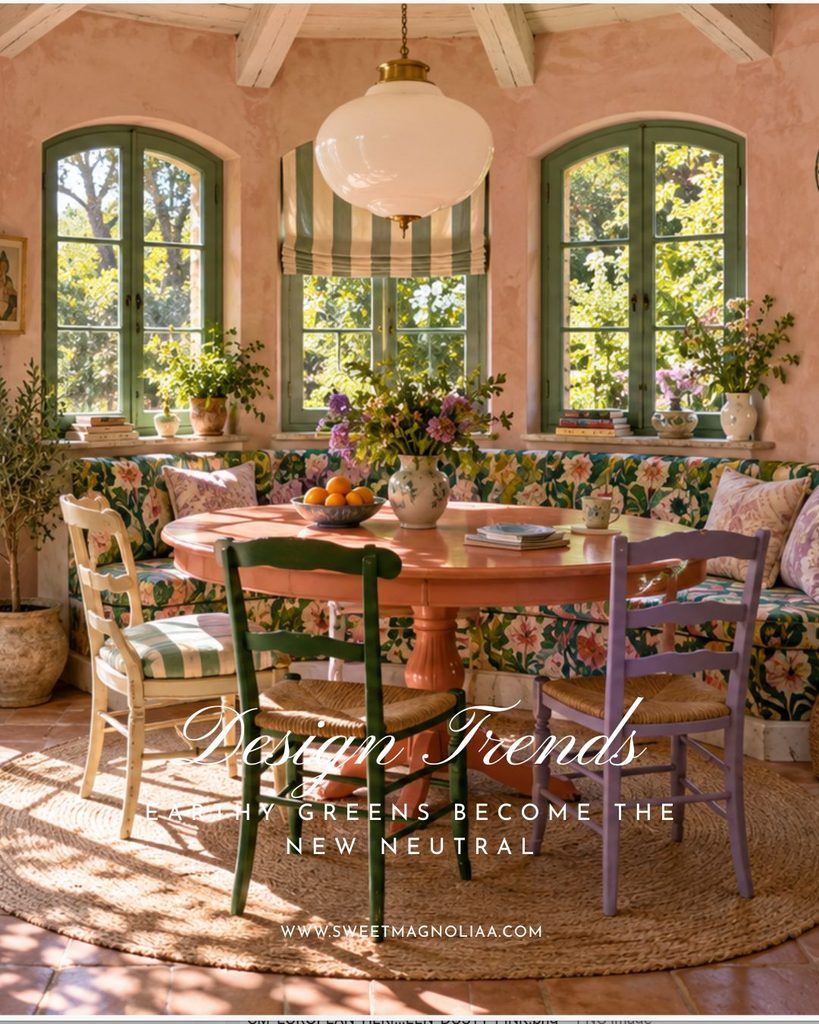
Rather than treating green as a statement color, try using it almost as you would beige.
These softer botanical greens have enough color to give a room life, but they are muted enough to sit quietly alongside wood, stone, linen, aged metals and warmer neutrals. That versatility is what makes them feel like the new neutral.
An olive-painted study, mossy sofa, muted green kitchen cabinetry or celery-toned bedroom can bring color into a room without making the space feel dominated by color.
Palette to Try
Celery green + warm cream + walnut + aged brass + muted terracotta.se early announcements suggest that green is becoming warmer, muddier and easier to live with.
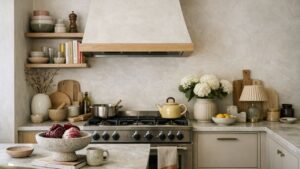
2. Warm Neutrals Get More Complex
Beige isn’t disappearing.
It’s simply becoming more interesting.
The 2027 neutral palette appears to be moving away from flat gray-beige rooms toward colors influenced by stone, clay, soil and weathered natural materials.
Designers are already pointing toward warm mineral colors, clay browns and softened terracottas alongside more expressive hues.
Look for:
- warm limestone
- oatmeal
- mushroom
- putty
- camel
- clay
- soft chocolate
- weathered plaster
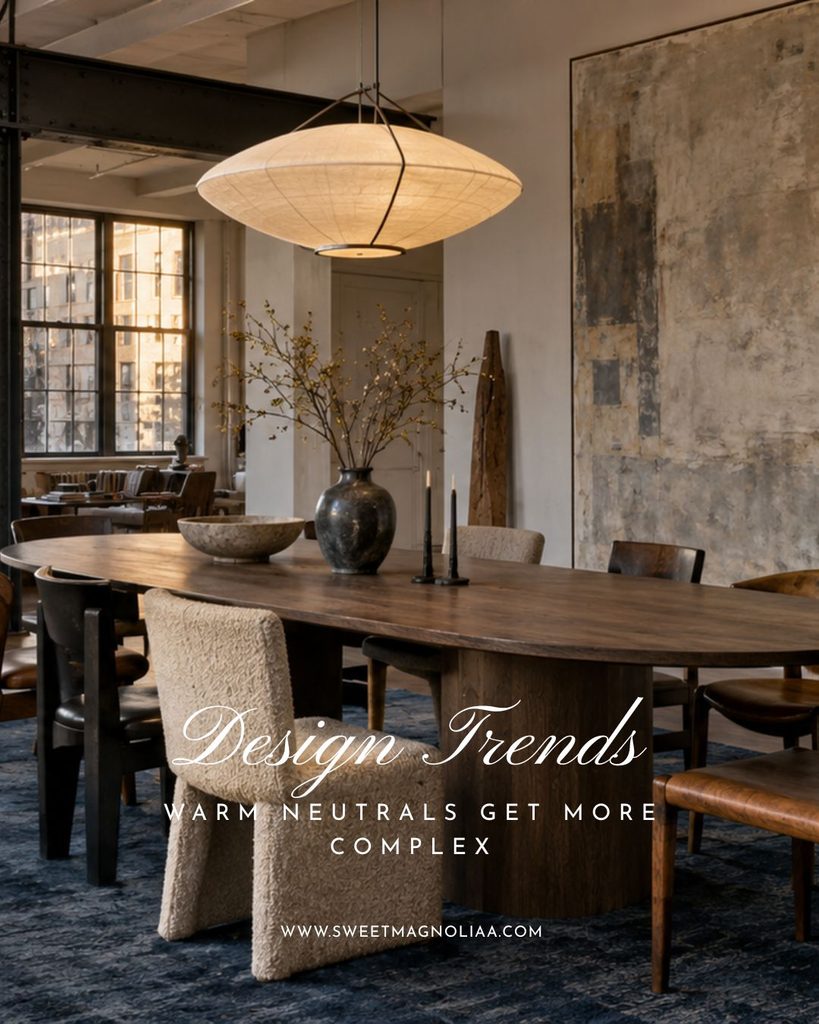
The difference is depth. Instead of building a room around one safe shade of beige, these warmer neutrals work best when several closely related tones are allowed to sit together.
A mushroom wall might meet an oatmeal sofa, a dark wood table, putty-colored linen and a piece of earthy ceramic. Nothing needs to match exactly. The slight variations are what make the room feel layered rather than flat.
Texture becomes just as important as color. Linen, wool, timber, ceramic, plaster and stone each interpret a neutral palette differently, creating subtle shifts in tone as light moves through the room.
The new neutral interior isn’t really about beige at all. It’s about creating warmth through layers.
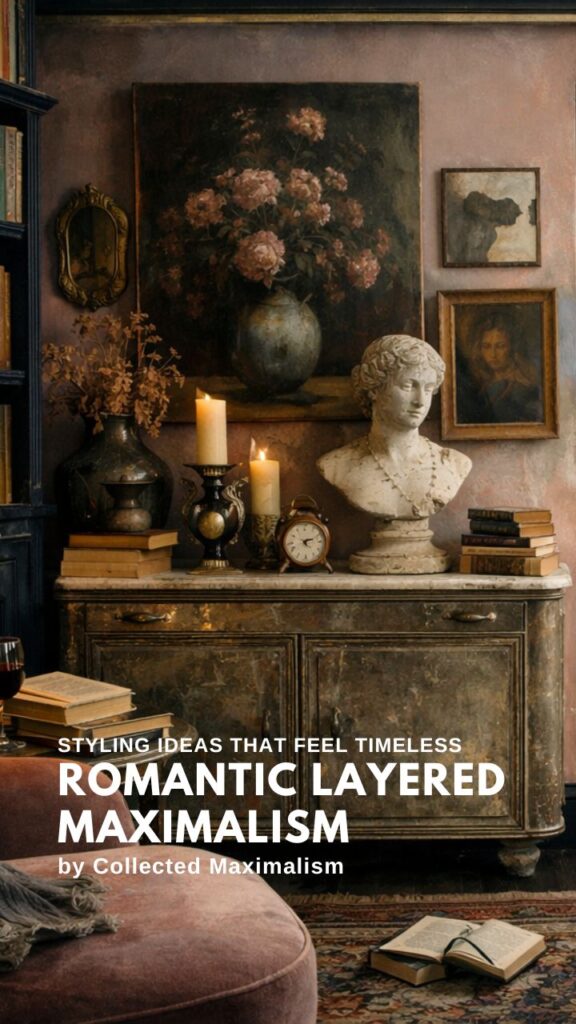
3. Dark Wood Returns
The era of pale wood dominating every room is loosening its grip.
Walnut, burl wood, ebonized finishes and deeper timber tones are becoming increasingly important. Designers were already reporting growing demand for darker woods in 2026, suggesting the movement will continue into the next design cycle.
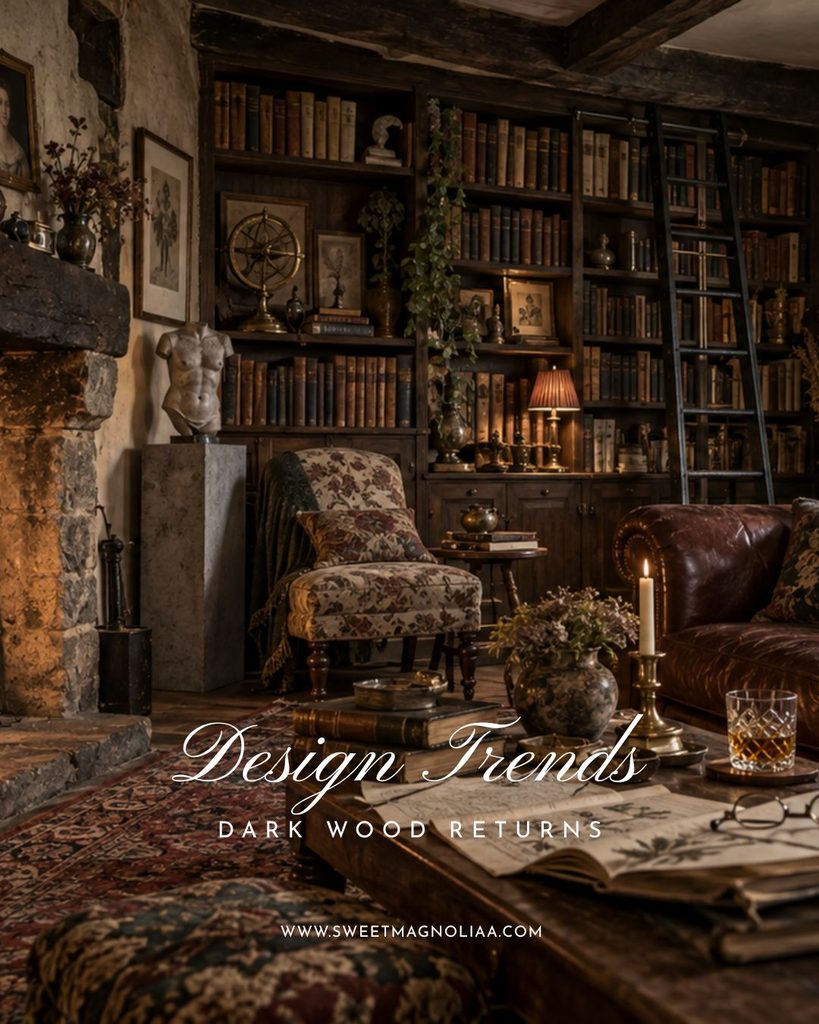
Dark wood instantly introduces visual weight.
You don’t need an entire room filled with mahogany furniture.
One walnut console, vintage sideboard, dark timber dining table or antique cabinet can ground a pale room beautifully.
It also creates an especially lovely contrast with cream walls, olive greens, muted blues and natural linen.
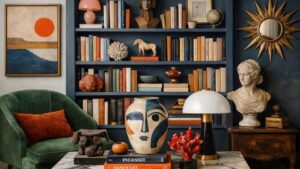
4. Rooms Will Feel Collected Rather Than Perfectly Matched
One of the most refreshing interior shifts is the gradual disappearance of the perfectly coordinated room.
Designers are increasingly comfortable mixing wood tones, periods and aesthetics rather than following rigid decorating rules.
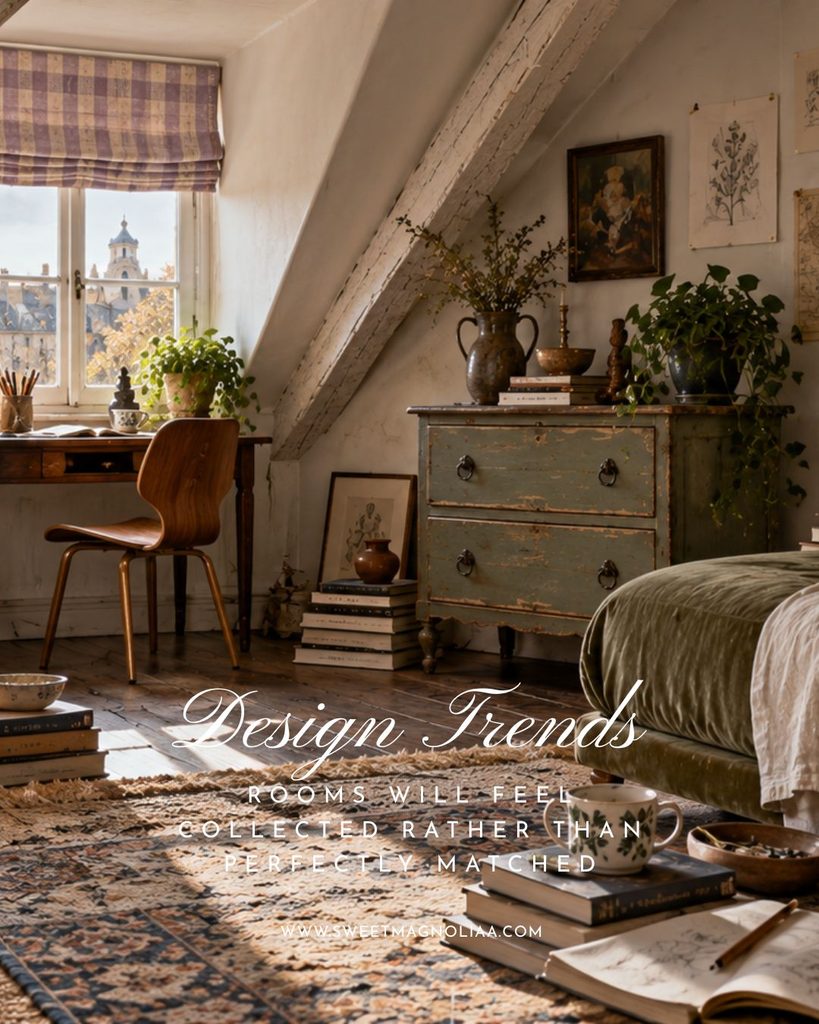
A contemporary sofa might sit beside an antique table.
A modern lamp might appear on an old wooden chest.
A vintage painting might hang above clean-lined furniture.
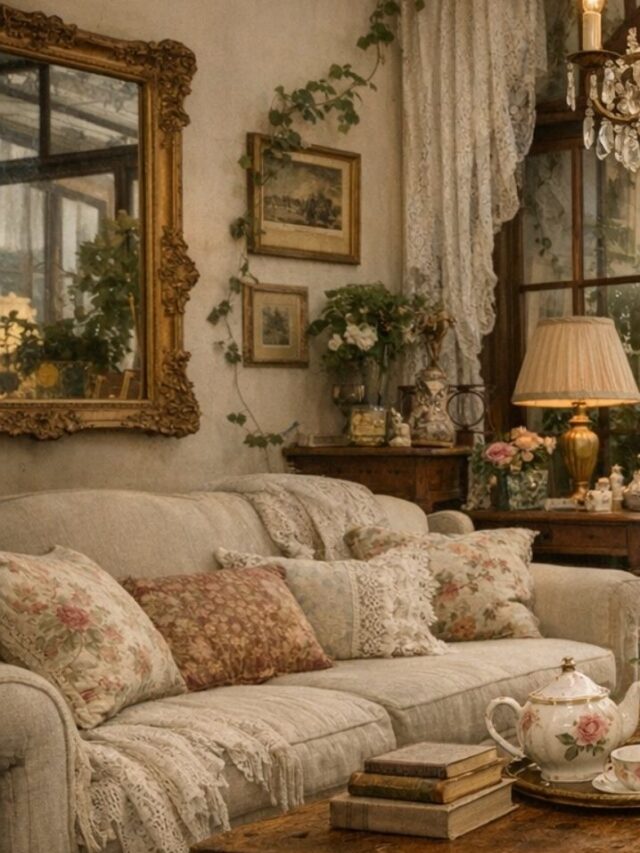
The result feels less like a furniture showroom and more like a home that has developed naturally over time.
This is also a much more forgiving way to decorate.
Instead of asking:
“Does everything match?”
Ask:
“Does everything feel as though it belongs to the same person?”
5. Sculptural Furniture Becomes More Important
Furniture is increasingly becoming art.
Curved silhouettes have already been gaining momentum, and designers continue to gravitate toward organic shapes and furniture with distinctive forms.
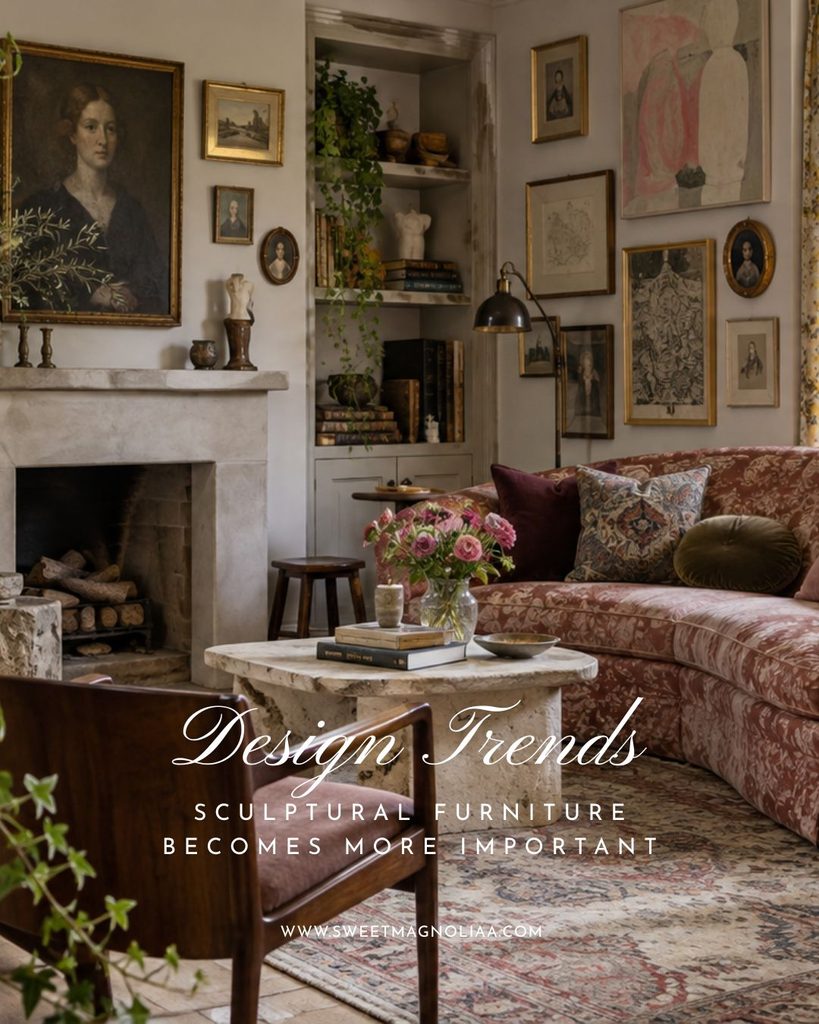
For 2027, expect this idea to become more expressive.
Look for:
curved sofas
unusual lounge chairs
sculptural side tables
rounded cabinetry
oversized coffee tables
unexpected pedestal forms
The easiest way to use this trend is to allow one unusual piece to interrupt an otherwise quiet room.
You don’t need five sculptural objects.
One beautiful chair can change the entire composition.
6. Lighting Becomes Art
Lighting is moving beyond its purely functional role.
Design forecasts are highlighting artistic fixtures made from materials such as stone, clay, brass and ceramic, while handcrafted and imperfect surfaces are becoming increasingly desirable.
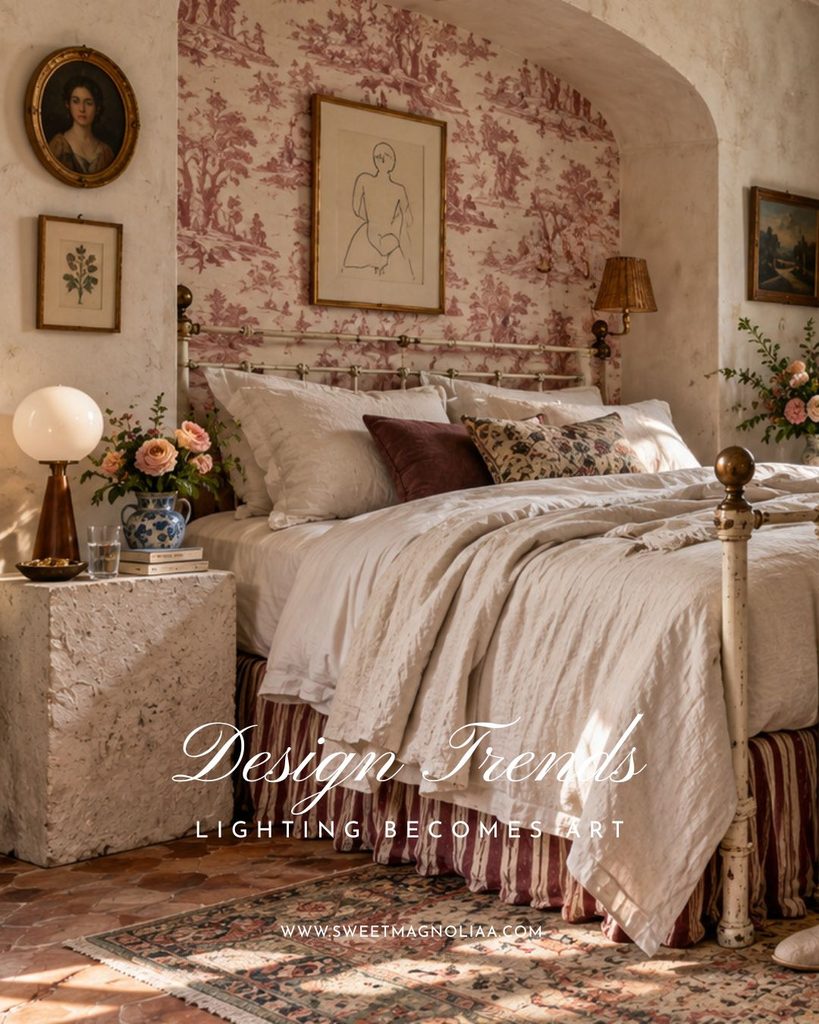
This makes lighting one of the easiest ways to give a room personality.
Instead of automatically choosing an invisible fixture, consider:
a ceramic table lamp
an oversized pendant
an alabaster wall light
a sculptural floor lamp
an aged-brass chandelier
a handmade plaster fixture
Even when switched off, the light should contribute something to the room.
7. Rich Blue Makes an Unexpected Return
Green isn’t the only color worth watching.
Blue is returning in deeper and more interesting forms.
Glidden’s 2027 Color of the Year, Artifact, is a warm smoky blue, while WGSN’s 2027 forecast has highlighted the much more vivid Luminous Blue.
That gives blue an unusually wide range for 2027.
At one end: smoky, atmospheric blues that work almost like neutrals.
At the other: intense blues capable of becoming the focal point of an entire room.
Palette to Try
Smoky blue + chocolate brown + warm ivory + antique gold.
Or, for something bolder:
Luminous blue + walnut + cream + polished metal.
8. Craftsmanship and Imperfection Matter More
Perfect surfaces are losing some of their appeal.
Hand-finished plaster, visible wood grain, handmade ceramics, irregular glass and finishes that develop patina over time are becoming increasingly desirable.
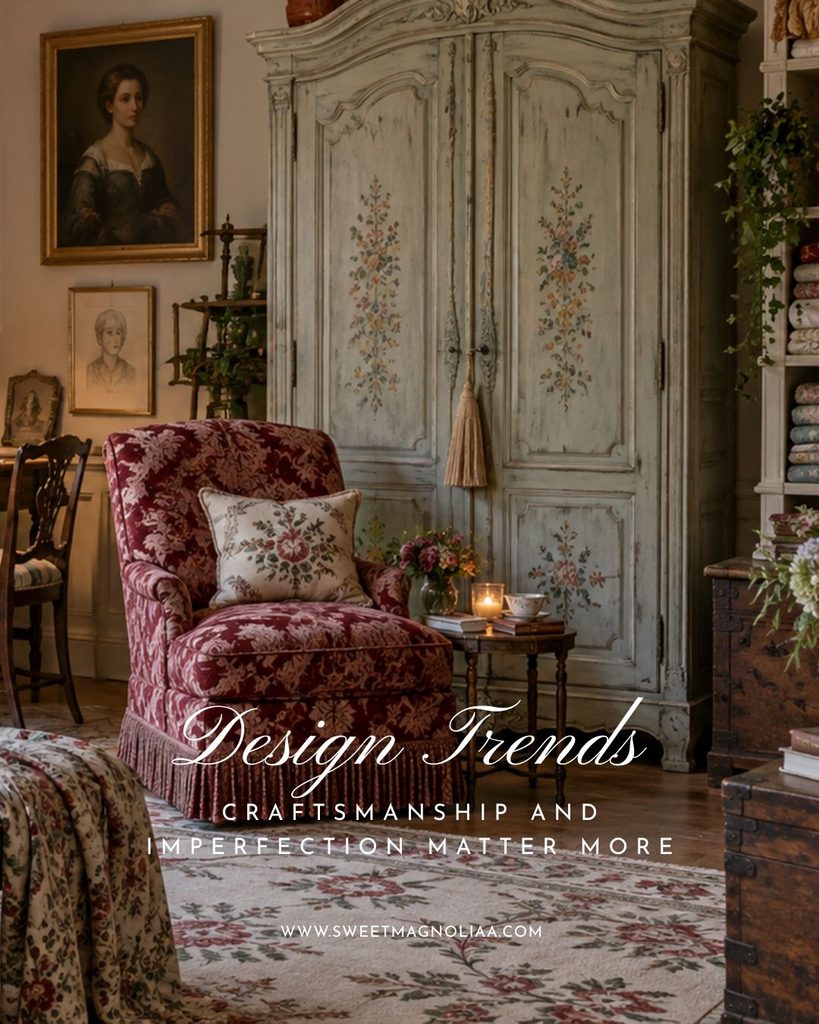
This is partly why older furniture can work so beautifully in contemporary interiors.
A scratched wooden table has history.
Handmade pottery has variation.
A linen curtain wrinkles.
A brass object changes with age.
These small imperfections give the eye something to discover.
In 2027, luxury may increasingly be less about something looking flawless and more about being able to see how it was made.
9. Heritage Details Return
Another fascinating shift is the renewed appreciation for architectural detail.
Crown molding, traditional craftsmanship, vintage furniture and rooms with a sense of history have been reappearing in contemporary projects.
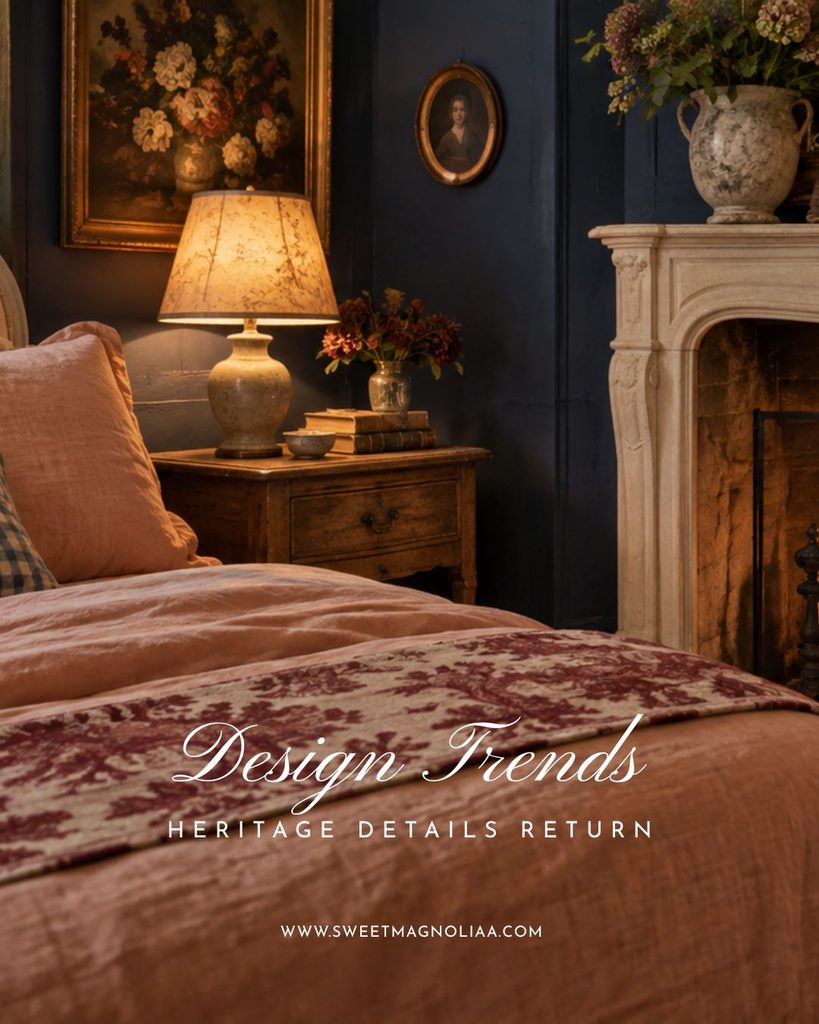
Even a modern home can borrow from this idea.
Try:
picture-frame molding
decorative trim
ceiling details
traditional hardware
vintage doors
antique mirrors
classic cabinetry profiles
The goal isn’t to make a new house pretend to be old.
It’s to restore some of the visual detail that ultra-minimal interiors often removed.
10. The Dining Table Becomes Important Again
One of the loveliest 2027 directions may have less to do with aesthetics than with how we live.
Designers are seeing renewed interest in furniture that encourages gathering and conversation, including statement dining tables and smaller game or conversation tables.
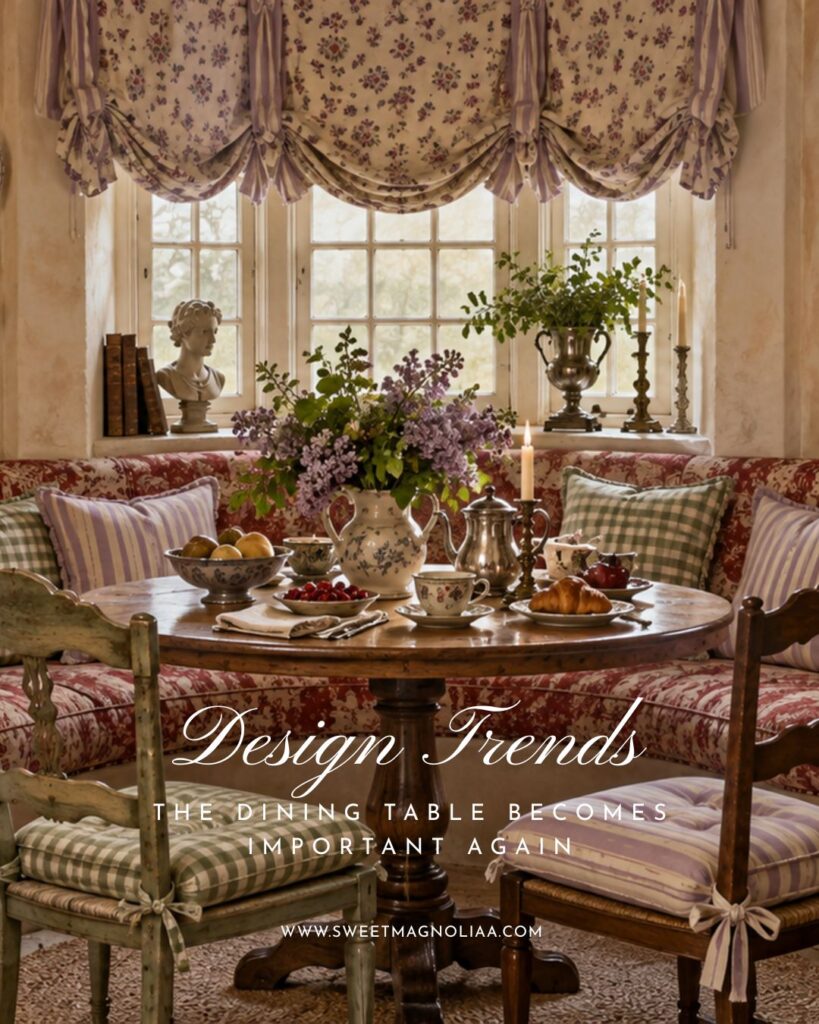
The dining table becomes more than somewhere to eat.
It becomes somewhere to:
talk
work
play games
arrange flowers
read
host friends
spend an unhurried Sunday morning
And because of that renewed importance, the table itself can become more substantial and beautiful.
Look for strong forms, tactile woods, stone, burl, cane and mixed materials.
11. Color Moves Beyond the Accent Wall
Perhaps one of the biggest color changes for 2027 is confidence.
Color isn’t restricted to a cushion or one carefully painted feature wall.
It is becoming part of the architecture of a room.
Designers are using color across cabinetry, ceilings, trim and complete rooms, while richer reds, greens, blues and earthy shades are appearing alongside neutrals.
This doesn’t necessarily mean using brighter colors.
It means using color more intentionally.
A muted olive library painted from skirting board to ceiling can actually feel calmer than a white room filled with disconnected colorful accessories.
12. Personality May Be the Biggest Trend of 2027
The strongest thread running through many of these predictions isn’t a particular color or piece of furniture.
It’s individuality.
Homes are becoming less interested in looking universally correct and more interested in reflecting the people who inhabit them.
That might mean displaying inherited furniture.
Keeping the slightly strange painting you love.
Mixing an antique table with a contemporary sofa.
Painting a tiny room dark instead of trying to make it look bigger.
Collecting slowly instead of furnishing an entire home in one weekend.
Current design coverage increasingly reflects this move toward lived-in rooms, nostalgia, mixed eras and thoughtful rule-breaking.
And perhaps that is the most useful trend to take into 2027.
How to Use 2027 Interior Trends Without Making Your Home Feel Trendy
You don’t need to redesign your home every time the design world changes direction.
Instead, use trends as a way to discover what you already love.
Save rooms that interest you.
Notice the colors you repeatedly return to.
Pay attention to the furniture shapes, materials and atmospheres that keep catching your eye.
Then introduce those ideas slowly.
Maybe 2027’s olive greens confirm that you’ve always loved earthy color.
Perhaps the return of dark wood finally gives you permission to keep your grandmother’s old cabinet.
Maybe sculptural lighting inspires you to replace one forgettable lamp with something handmade.
The goal isn’t to create a 2027 house.
It’s to notice which ideas help your home become more recognizably yours.
The 2027 Interior Color Palette
If we condensed the emerging direction into one palette, it might look something like this:
Celery Green — fresh and botanical
Grounded Olive — earthy and enveloping
Smoky Blue — quiet and atmospheric
Oxblood — rich and dramatic
Terracotta — warm and familiar
Chocolate Brown — grounding and elegant
Warm Cream — soft rather than stark
Walnut — depth and natural warmth
Antique Brass — gentle luminosity
Together, these colors create interiors that feel richer without becoming overwhelming.
The Bigger 2027 Design Shift: From Trend-Led to Personality-Led Homes
Perhaps the most important change isn’t a particular color, furniture shape or decorating style.
It’s the gradual move away from interiors that look as though they were created from the same inspiration board.
The emerging home feels more individual.
Old pieces can sit beside new ones. Dark wood can coexist with pale linen. Handmade ceramics can appear beside polished metal. Artwork doesn’t have to match the sofa. Objects collected while travelling can remain because they carry memories rather than because they fit a predetermined aesthetic.
This makes the 2027 interior less about achieving a finished look and more about allowing a home to develop character over time.
And that may ultimately prove more enduring than any individual trend.
MORE ON INTERIOR DESIGN
7 French Cottage Color Palette Ideas Beyond Sage Green
Parisian Hollywood Regency Interiors: Old Paris Meets 1930s Glamour
What Is Maximalism? A Thoughtful Guide to Living With More
Final Thoughts
The interior design trends of 2027 suggest that our homes are becoming warmer, richer and considerably more personal.
We are seeing nature-inspired colors, darker woods, craftsmanship, artistic lighting, sculptural furniture and renewed interest in rooms designed for gathering.
But beneath all of those individual trends is something more enduring:
the return of the personal home.
A beautiful home doesn’t need to demonstrate that you know what’s fashionable.
It should reveal something about you.
Explore widely. Notice what keeps returning. Bring those ideas home slowly.
Because the best interiors rarely come from following every trend.
They emerge when we learn to recognize what we genuinely love.
10 FAQs About Interior Design Trends 2027
1. What are the biggest interior design trends right now?
The biggest interior design trends are moving toward warmer, more personal homes with earthy colors, dark woods, sculptural furniture, expressive lighting, handcrafted details and a thoughtful mix of old and new.
2. What are the latest interior design trends for living rooms?
Living room trends are becoming softer and more collected, with comfortable sculptural seating, deeper wood tones, layered textiles, vintage pieces, statement lighting and artwork that gives the room personality.
3. What colors are trending in interior design?
Earthy greens, warm creams, mushroom neutrals, chocolate brown, terracotta, smoky blue and other nature-inspired shades are becoming increasingly important in interior color palettes.
4. Are neutral interiors still in style?
Yes, but neutral interiors are becoming warmer and more complex. Instead of flat gray and cool white, designers are embracing oatmeal, putty, taupe, warm beige, mushroom and creamy off-whites layered with natural materials.
5. Is dark wood coming back in interior design?
Dark wood is returning as a way to introduce depth, warmth and character. Walnut, rich oak and antique wood finishes work particularly well when balanced with lighter walls, natural fabrics and softer colors.
6. Are vintage and antique pieces part of current interior design trends?
Yes. Vintage and antique furniture, traditional artwork and heritage-inspired details can make a room feel collected over time rather than purchased as one perfectly coordinated set.
7. What furniture styles are trending in interior design?
Sculptural silhouettes, curved seating, substantial wood furniture, artisan-made pieces and furniture with distinctive shapes are becoming more prominent as interiors move away from overly standardized looks.
8. How can I follow interior design trends without making my home look trendy?
Choose only the ideas that genuinely suit your taste. Introduce trends gradually through paint, lighting, textiles, artwork or one piece of furniture rather than redesigning an entire room around a temporary look.
9. Are perfectly matched interiors going out of style?
The direction is increasingly toward rooms that feel collected rather than perfectly coordinated. Mixing different periods, materials, artwork and furniture styles can create a more individual and lived-in interior.
10. What is the most important interior design trend to follow?
Perhaps the most enduring direction is personalization. Rather than copying a complete aesthetic, use color, furniture, art, meaningful objects and collected pieces to create a home that reflects how you actually want to live.