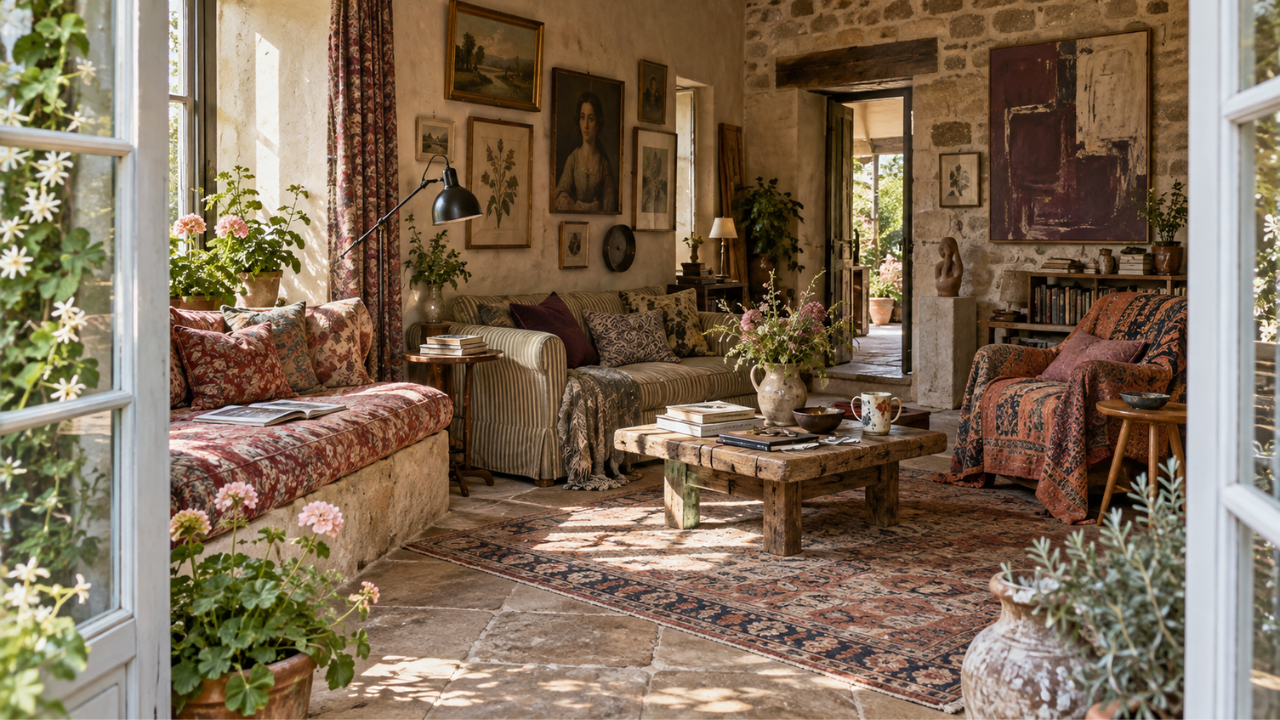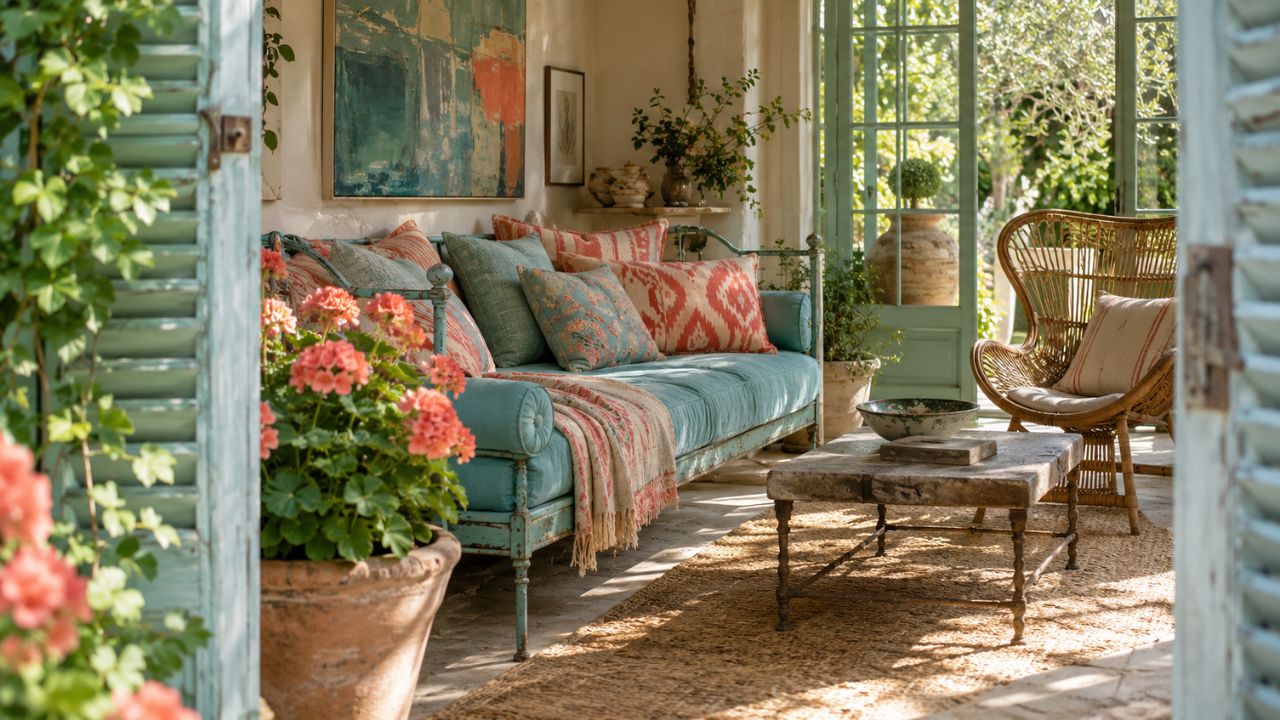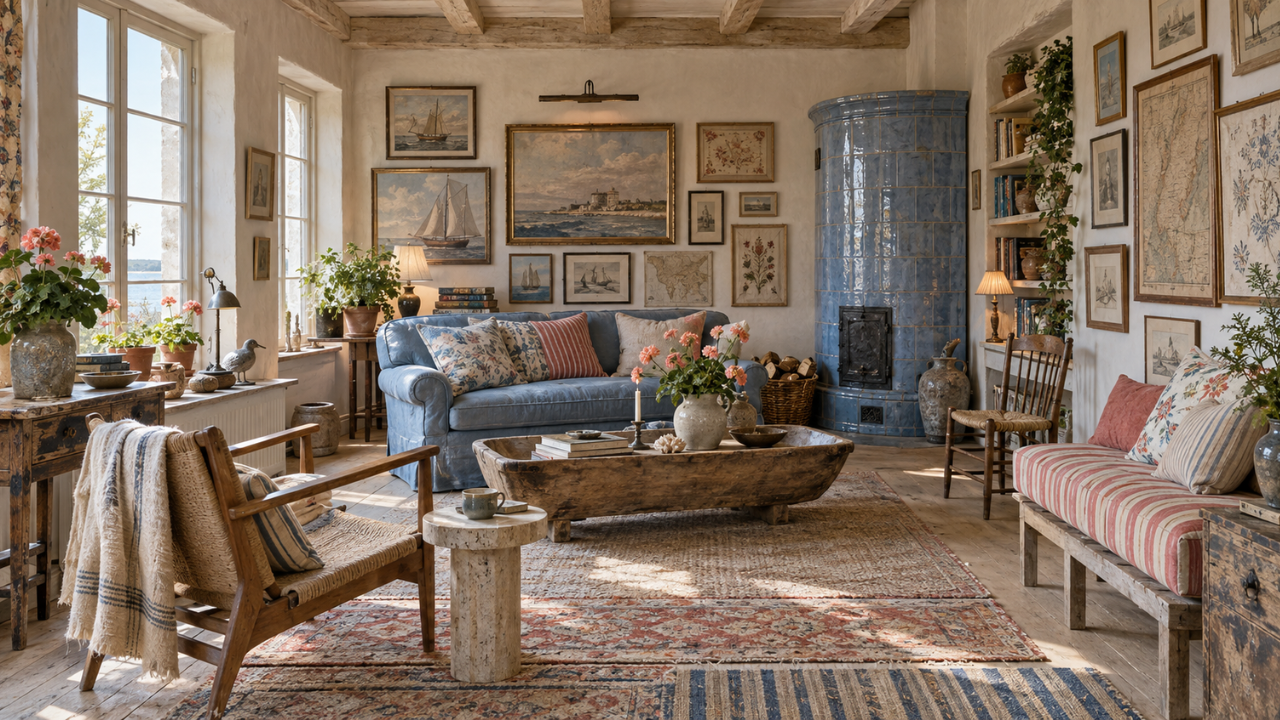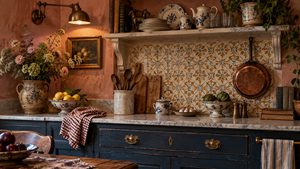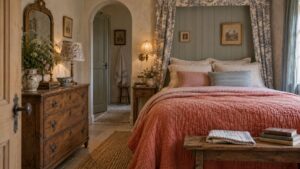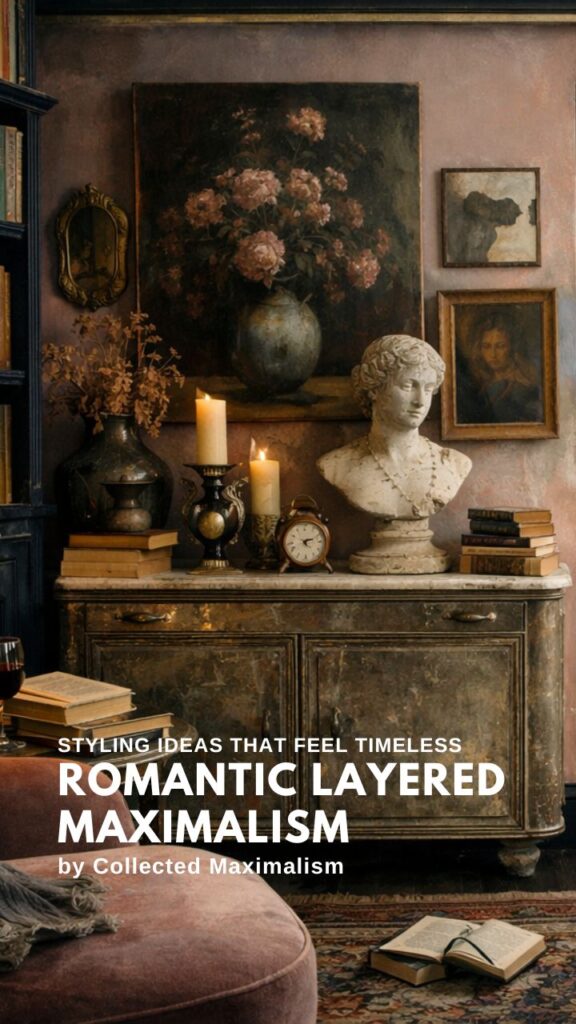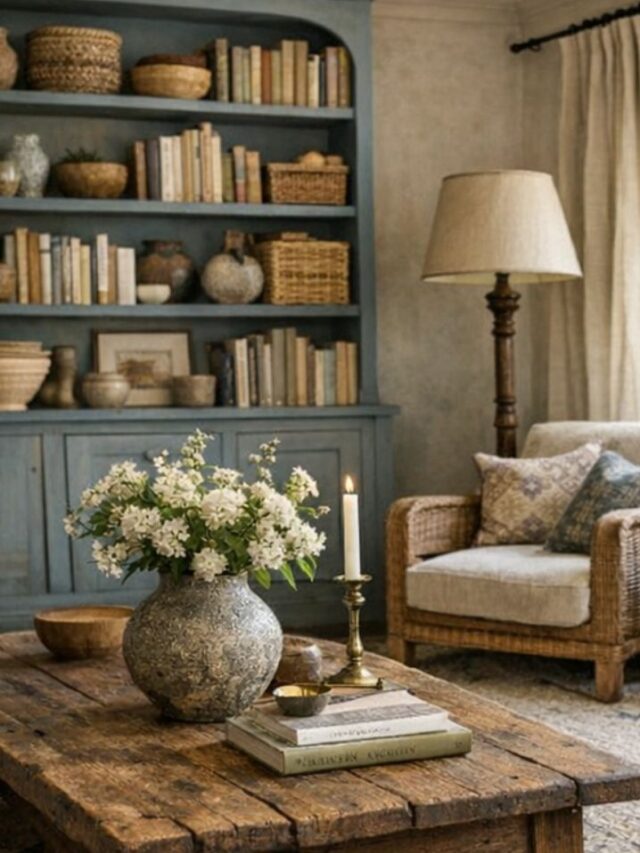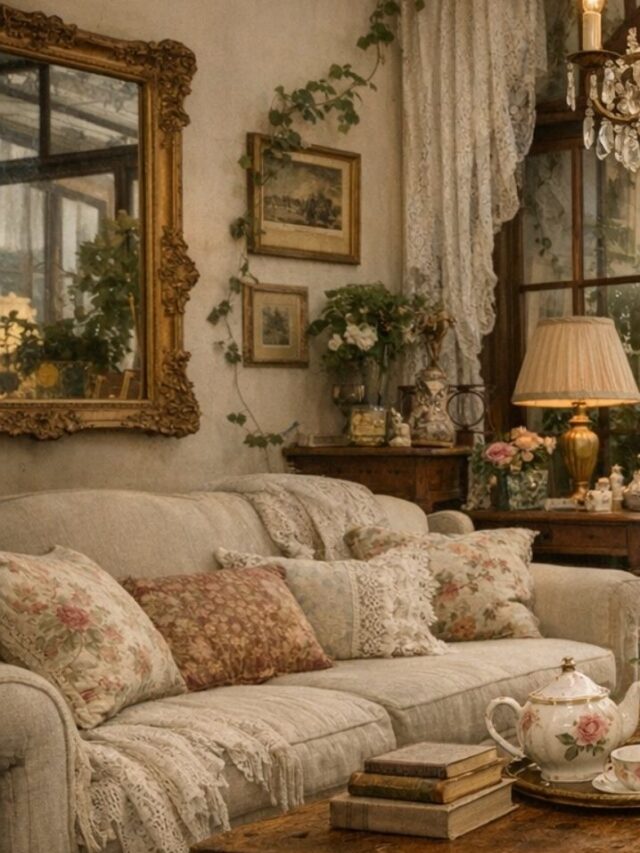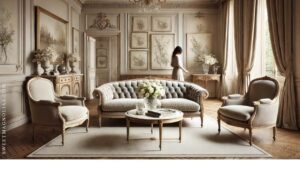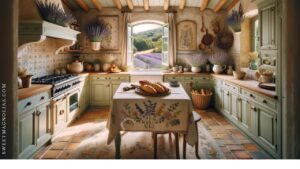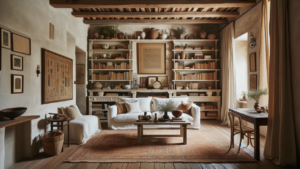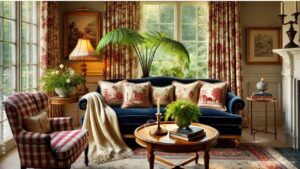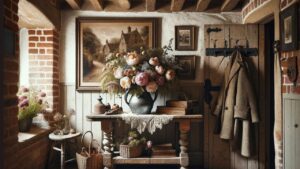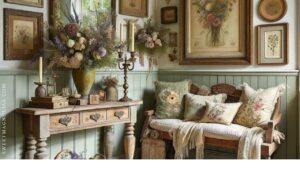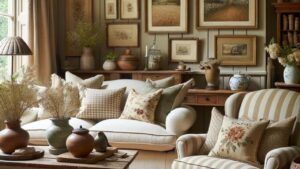
Few colors are as timeless and versatile as sage green. Soft, earthy, and inspired by nature, it has become one of the defining shades of French cottage decorating. Whether painted on kitchen cabinetry, antique furniture, built-in bookcases, or window shutters, sage green creates a peaceful foundation that feels both elegant and welcoming.
But one of the reasons this gentle color has remained popular for generations is that it never asks to stand alone.
Instead, sage green quietly enhances the colors around it. It allows romantic florals, weathered woods, natural stone, warm metals, and vintage textiles to live together in perfect harmony.
Unlike modern interiors that often rely on sharp contrasts, French cottage homes embrace layered color palettes inspired by gardens, orchards, fields, and centuries-old architecture.
Let’s explore some of the most beautiful colors to pair with sage green to create a timeless French cottage home.
Why Sage Green Works with So Many Colors
Sage green sits comfortably between warm and cool tones.
Its muted character allows it to balance both soft pastels and richer earthy colors without overwhelming a room.
Because it reflects the natural landscape, it feels equally at home beside aged oak, limestone, linen, wicker, copper, brass, fresh flowers, and antique furnishings.
This flexibility is what makes sage green one of the easiest colors to decorate with.
Rather than becoming the center of attention, it brings every other element together.
Sage Green and Blush Pink
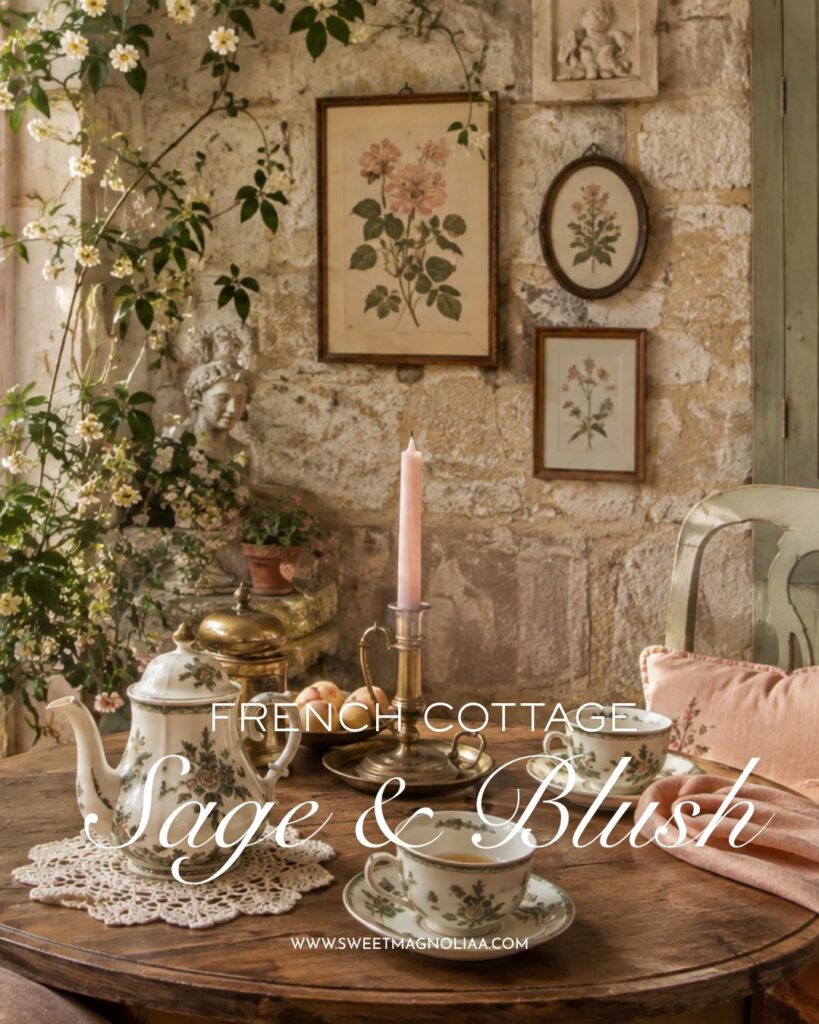
Sage green and blush pink create one of the most romantic color pairings for a French cottage interior. The softness of blush gently warms sage’s earthy undertones, while sage keeps pink from feeling overly sweet or feminine. Together, they create a palette that feels faded, botanical, and beautifully collected.
The key is choosing muted versions of both colors. Think dusty rose rather than bright pink and weathered sage rather than a crisp green. These softened tones have the quiet, timeworn quality that works naturally alongside antique furniture and aged architectural details.
Let sage green form the foundation through painted cabinetry, an upholstered settee, shutters, or a vintage cupboard. Then introduce blush in smaller layers: faded floral cushions, washed linen, an antique textile, a single velvet chair, or garden roses gathered into an old ceramic pitcher.
Natural materials make the pairing even richer. Warm oak, limestone, aged brass, wicker, creamy plaster, and softly worn terracotta prevent the palette from becoming too pastel. Botanical prints and floral fabrics can then bridge the two colors, allowing pink and green to appear together in a way that feels effortless rather than coordinated.
For a particularly beautiful French cottage palette, try:
Weathered Sage + Dusty Blush + Warm Ivory + Aged Oak + Antique Brass
The result is romantic without being precious—a room that feels as though its colors have softened naturally over generations.
Sage Green and Cornflower Blue
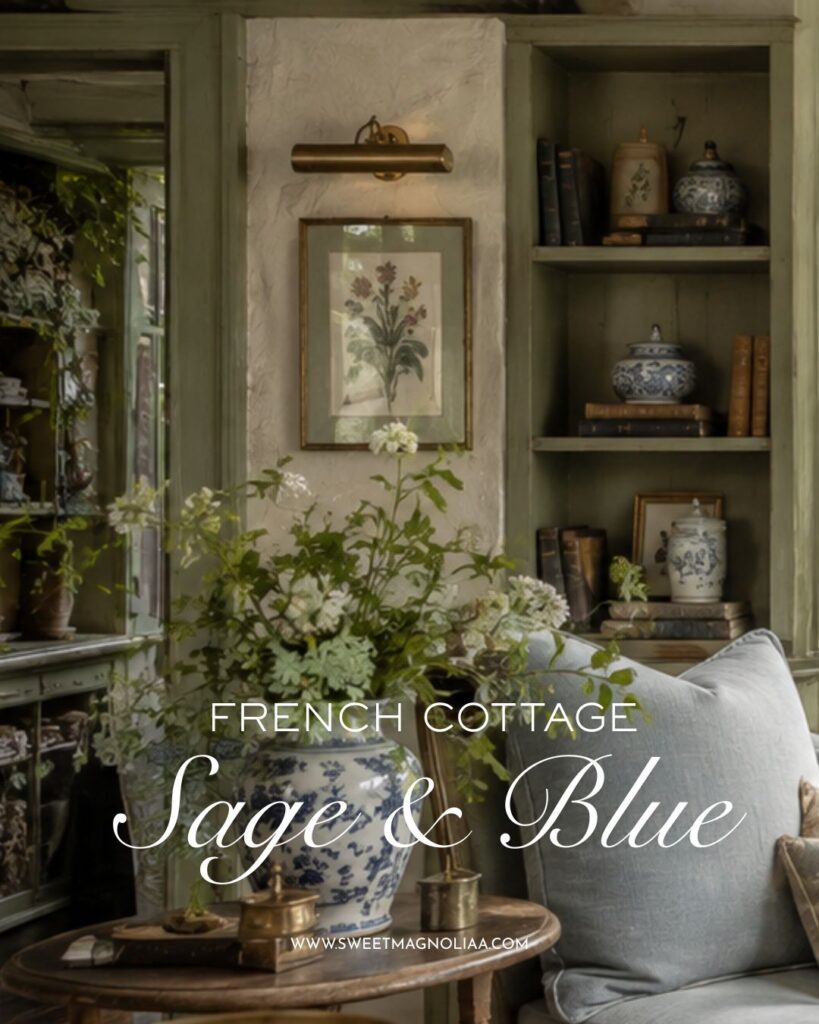
Sage green and cornflower blue create a fresh, graceful pairing that feels perfectly at home in a French cottage interior. Both colors are rooted in nature, giving the combination a softness that feels collected rather than deliberately matched.
Sage provides the quiet, earthy foundation, while cornflower blue introduces a cooler note that keeps the room feeling light and fresh. The effect is especially beautiful when the blue appears in faded, slightly gray-toned shades rather than anything bright or saturated.
Use sage green on painted cabinetry, bookcases, shutters, or vintage furniture, then layer cornflower blue through linen upholstery, cushions, antique ceramics, botanical prints, or blue-and-white porcelain. A single generously scaled ceramic vase can be enough to bring the blue into an otherwise predominantly sage room.
Warm materials are important here. Aged oak, antique brass, creamy plaster, woven baskets, and natural linen soften the cooler colors and give the palette the warmth associated with old French country homes.
For a timeless French cottage palette, try:
Weathered Sage + Cornflower Blue + Warm Ivory + Aged Oak + Antique Brass
The result feels serene and botanical, with just enough contrast to give sage green greater depth while preserving the relaxed character of the room.
Sage Green and Honey Cream
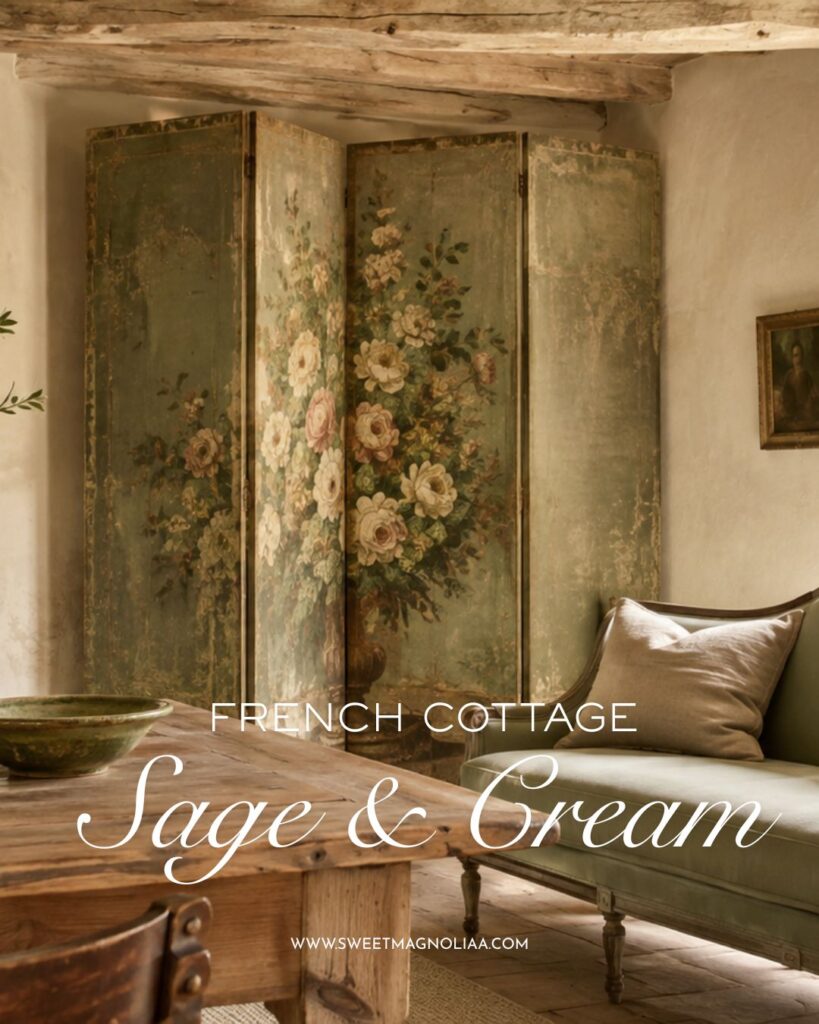
Sage green and honey cream create a warm, sun-softened palette that feels beautifully natural in French cottage interiors. Where sage brings an earthy, botanical quality, honey cream adds gentle warmth without creating a strong contrast.
Choose muted, buttery creams rather than bright yellow. The most convincing shades have undertones of ochre, wheat, or aged parchment—the kind of colors naturally found in old pottery, limestone, faded textiles, and timeworn plaster.
Let sage green anchor the room through painted cabinetry, antique furniture, shutters, or linen textiles. Then introduce honey cream through glazed pottery, vintage ceramics, cushions, lampshades, curtains, or softly aged walls. Warm oak and rustic wooden furniture deepen the palette and keep it grounded.
This pairing becomes especially beautiful when surrounded by natural materials. Pewter, aged brass, stone, linen, woven fibers, and fresh greenery give the colors texture and prevent the room from feeling overly coordinated.
For a warm French cottage palette, try:
Weathered Sage + Honey Cream + Warm Ivory + Aged Oak + Antique Pewter
The result feels mellow, earthy, and quietly sun-warmed—as though the colors have softened together naturally over many years.
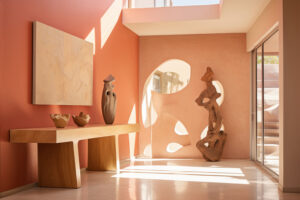
Sage Green and Warm Apricot
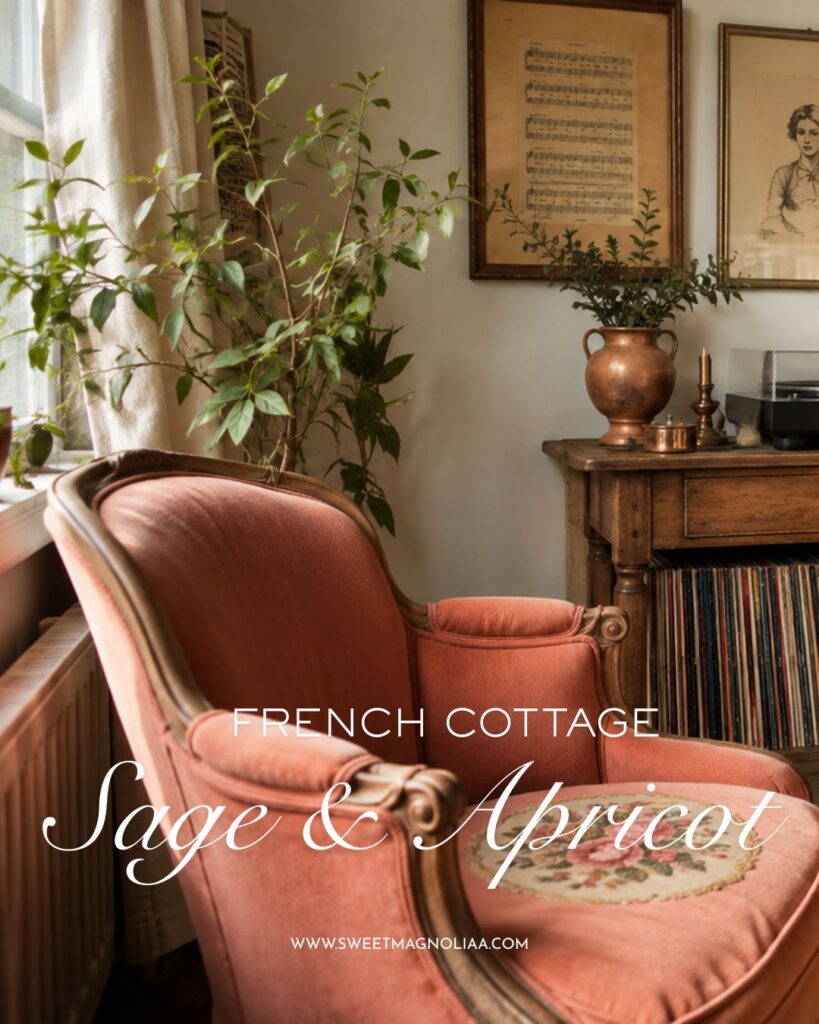
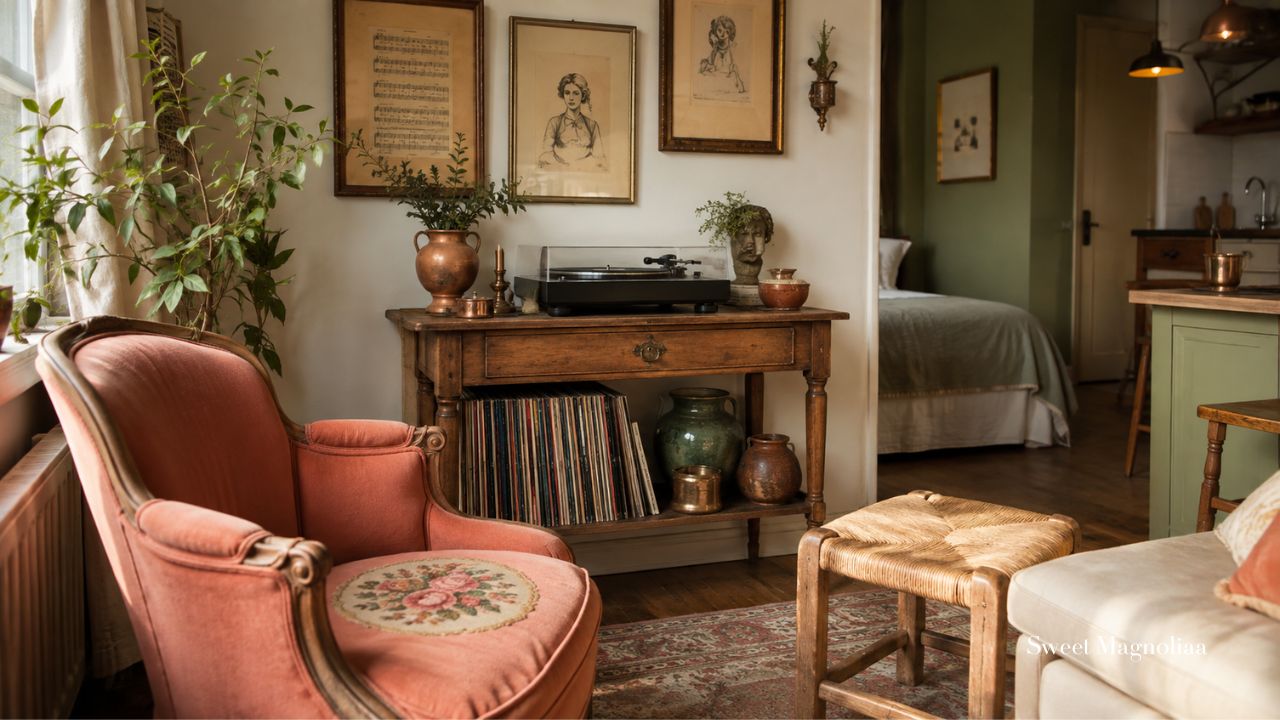
Sage green and warm apricot create a beautifully sun-washed combination for French cottage interiors. Sage brings the quiet earthiness of herbs and garden foliage, while apricot introduces a soft warmth that makes the room feel inviting, romantic, and gently lived-in.
The most beautiful apricot tones are muted rather than bright. Look for faded peach, soft salmon, antique coral, and warm apricot shades that appear as though they have mellowed with age. Against weathered sage green, these warmer colors feel especially natural.
Use sage as the grounding color through painted furniture, cabinetry, shutters, walls, or botanical details. Apricot can then appear through an upholstered antique chair, faded velvet, floral cushions, washed linen, ceramics, or small decorative accents.
Copper and warm wood are particularly lovely additions to this palette. Their reddish-golden undertones echo the apricot while aged plaster, cream linen, and natural stone provide a softer neutral backdrop.
For a warm French cottage palette, try:
Weathered Sage + Warm Apricot + Creamy Ivory + Aged Walnut + Antique Copper
The result feels romantic and softly sunlit—a warmer interpretation of sage green that brings the faded colors of an old cottage garden indoors.
Sage Green and Lavender
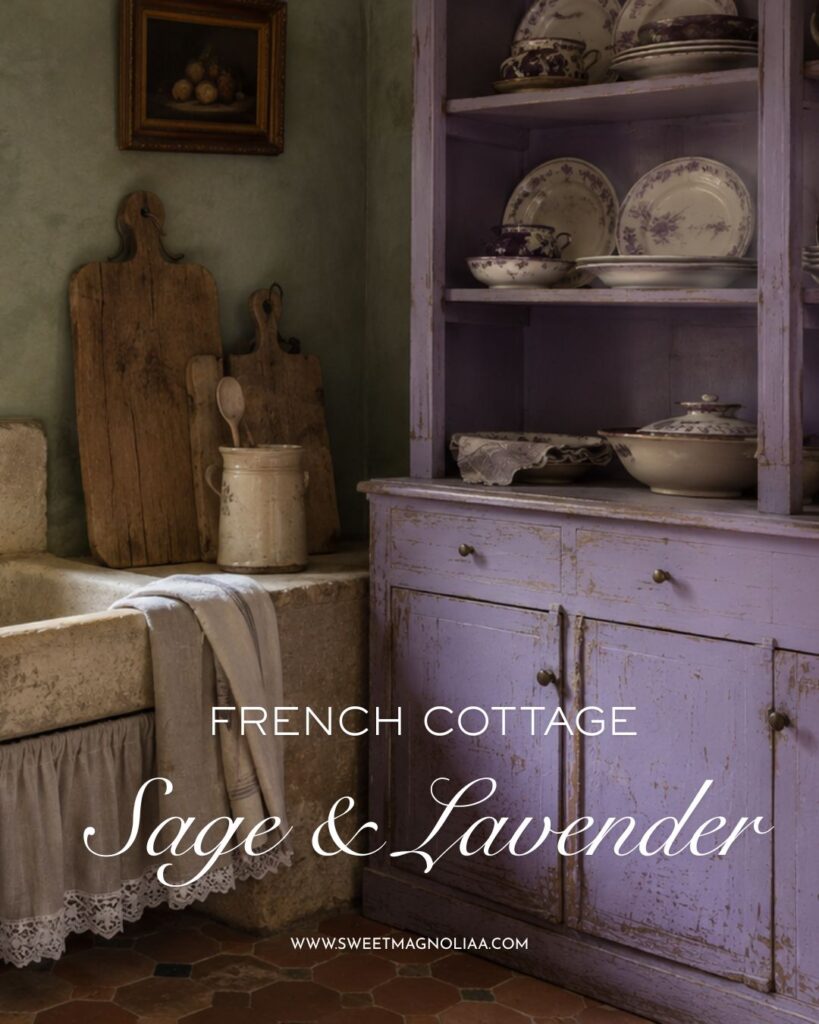
Sage green and lavender create a romantic French cottage palette that feels as though it was borrowed directly from a summer garden. Both colors have a natural softness, but their contrasting undertones give the room enough distinction to feel layered and interesting.
The secret is choosing faded, slightly gray versions of each shade. Weathered sage has an earthy quality, while muted lavender brings a gentle violet note without becoming overly sweet. Together, they have the beautifully softened appearance of colors that have aged naturally over time.
Sage works particularly well across walls, shutters, cabinetry, and painted furniture. Lavender can then become the unexpected accent through a distressed cupboard, vintage textiles, floral china, cushions, or small decorative pieces.
Keep the surrounding materials warm and imperfect. Aged oak cutting boards, creamy stone, antique brass, terracotta floors, linen, and timeworn ceramics prevent the combination from feeling too pastel. These earthy elements give the prettier colors the patina and depth associated with an old French cottage.
For a romantic French cottage palette, try:
Weathered Sage + Faded Lavender + Warm Cream + Aged Oak + Terracotta
The result is soft and quietly expressive—a garden-inspired palette that feels romantic without losing the rustic character of the cottage.
MORE ON COTTAGE DECOR
Sage Green French Cottage Interiors: Timeless Decorating Ideas
English Cottage Style in a Romantic London Townhouse
English Cottage Fall Decor Ideas with Dark Academia Charm
Coastal Cottage Decor Ideas Inspired by Mediterranean Homes
Bringing the Palette Together
One of the greatest secrets of French cottage decorating is that nothing feels overly planned.
Fresh flowers introduce seasonal color.
Vintage books add warmth.
Copper cookware catches afternoon light.
Handmade pottery softens open shelving.
Woven baskets, botanical artwork, embroidered linens, and antique furniture all contribute their own subtle shades.
Sage green simply provides the gentle thread connecting everything together.
This relaxed approach creates interiors that feel welcoming, personal, and effortlessly elegant.
Tips for Decorating with Sage Green
If you’re decorating your own home, keep these timeless principles in mind:
- Start with sage green as your foundation rather than your only color.
- Layer warm neutrals like ivory, linen, and natural wood.
- Introduce romantic accent colors through flowers, fabrics, artwork, and vintage accessories.
- Mix antique furniture with handmade ceramics and woven textures.
- Allow your home to evolve slowly instead of decorating everything at once.
French cottage interiors become beautiful through thoughtful collecting, not perfect matching.
10 Common Mistakes to Avoid When Decorating With Sage Green
Sage green may be wonderfully versatile, but creating a beautiful room with it requires more than simply choosing a green paint color. The most successful sage interiors feel layered, warm, and connected to the natural materials surrounding them.
Here are ten common mistakes to avoid when bringing sage green into your home.
1. Choosing a Sage Green That Is Too Bright
True sage green has a muted, slightly gray or earthy quality. Greens that are too vivid can quickly lose the softness that makes sage so appealing.
Look for shades with subdued undertones that change gently throughout the day rather than appearing intensely green in every light.
2. Using the Same Shade of Sage Everywhere
A room filled with one identical green can begin to feel flat.
Instead, allow subtle variations to appear. A weathered sage cupboard, muted olive foliage, gray-green linen, and softly faded botanical prints can all belong to the same palette without matching exactly.
3. Pairing Sage Only With White
Crisp white can work with sage, but relying on it exclusively can make an otherwise warm interior feel too sharp.
Try softer companions such as warm ivory, cream, oatmeal, linen, aged plaster, and natural stone. These shades preserve sage green’s gentle character.
4. Forgetting About Warm Wood
Sage green becomes particularly beautiful beside wood.
Antique oak, walnut, pine, and other naturally aged woods introduce warmth and prevent green interiors from feeling cool or overly coordinated. Even a small wooden table, vintage frame, or collection of cutting boards can transform the palette.
5. Being Afraid to Introduce Other Colors
Sage does not need to live inside an entirely neutral room.
Dusty blush, cornflower blue, warm apricot, faded lavender, honey cream, and earthy terracotta can all bring personality to sage green while maintaining its quiet character.
The secret is choosing softened, slightly muted versions of these colors.
6. Ignoring Texture
Color alone cannot create atmosphere.
Linen, woven baskets, aged pottery, weathered wood, natural stone, embroidered textiles, antique brass, and handmade ceramics give sage green the depth it needs.
Without texture, even the most beautiful paint color can make a room feel unfinished.
7. Matching Everything Too Perfectly
French cottage interiors rarely look as though every object was purchased together.
Avoid matching every green cushion to the cabinetry or every floral fabric to the wall color. Slight differences in tone, pattern, age, and material create the collected quality that makes these rooms feel personal.
8. Forgetting to Consider Natural Light
Sage green can change considerably throughout the day.
A shade that appears fresh and botanical in bright morning light may become deeper and grayer in a shadowed room. Always observe your chosen sage in the actual space before committing to it across a large surface.
9. Using Too Many New, Polished Finishes
Sage green naturally complements materials that possess character.
If everything surrounding it is glossy, pristine, and newly purchased, some of its old-world charm can disappear. Introduce a few pieces with patina—an antique table, worn pottery, aged brass, vintage artwork, or weathered wood.
10. Treating Sage Green as a Trend
Perhaps the biggest mistake is decorating with sage simply because it is currently popular.
Sage green has endured because it belongs to a much older palette inspired by herbs, leaves, stone, wood, and the countryside. Instead of building a trend-driven sage room, use it as a foundation for colors, materials, and objects you genuinely love.
A beautiful sage green interior should feel as though it evolved naturally over time.
When paired with warm neutrals, natural materials, subtle color, and collected pieces, sage becomes much more than a decorating color. It becomes the quiet thread connecting the entire room.
Final Thoughts
Sage green remains one of the most beloved colors in French cottage interiors because of its remarkable ability to bring harmony to a room.
Whether paired with dusty blush, cornflower blue, honey cream, warm apricot, faded lavender, or timeless natural materials, sage creates interiors filled with warmth, romance, and lasting beauty.
Rather than chasing decorating trends, these color combinations celebrate nature, craftsmanship, and the quiet elegance of homes that grow more beautiful with time.
Frequently Asked Questions About Decorating With Sage Green
1. Is sage green a warm or cool color?
Sage green can lean warm or cool depending on its undertones. Gray-green sage feels cooler, while sage with subtle olive or yellow undertones feels warmer and earthier.
2. What colors go best with sage green?
Sage green pairs beautifully with dusty blush, cornflower blue, warm apricot, honey cream, faded lavender, ivory, terracotta, and natural wood tones.
3. What neutral colors pair well with sage green?
Warm ivory, cream, oatmeal, linen, limestone, aged plaster, and soft beige work particularly well. These warmer neutrals preserve sage green’s gentle, natural character.
4. What wood tones look best with sage green?
Aged oak, walnut, weathered pine, and other warm natural woods complement sage beautifully. Antique finishes add warmth and character to the palette.
5. Does sage green work in small rooms?
Yes. Soft sage green can make a small room feel peaceful and inviting. Pair it with warm cream, natural linen, lighter woods, and plenty of natural light.
6. Can you mix different shades of sage green?
Yes. Combining weathered sage, gray-green, muted olive, and botanical greens creates more depth than using one identical shade throughout the room.
7. How do you keep a sage green room from looking flat?
Layer sage with texture and contrasting materials such as linen, aged wood, natural stone, wicker, antique brass, pottery, patterned textiles, and complementary colors.
8. Is sage green good for French cottage interiors?
Yes. Sage green works beautifully in French cottage interiors because it complements antique furniture, limestone, floral fabrics, linen, pottery, warm wood, and aged metals.
9. Is sage green a trend or a timeless color?
Sage green is timeless when used thoughtfully. Its connection to herbs, foliage, stone, and the countryside gives it an enduring quality beyond decorating trends.
10. What is the easiest way to decorate with sage green?
Start with one sage element, such as a painted cupboard, vintage chair, linen cushion, or botanical textile. Then slowly build around it with warm neutrals, natural materials, and collected pieces.